If you’ve ever looked at photography options and felt unsure which one you were “supposed” to choose, you’re not alone. The mini session vs full session question comes up constantly for families, especially those with kids and very little margin for error in their schedules. This is true for kids big and small!
On the surface, the difference seems simple. One is shorter. One is longer. One costs less. One costs more. But in practice, the choice has much more to do with temperament, expectations, and how your family actually functions than with time alone.
This post isn’t here to push you in one direction. Mini sessions exist for a reason, and full sessions do too. The goal is to help you understand what each option is designed to do well, where each one has limits, and how to make the best choice for your family.
Table of Contents
Why the mini session vs full session question comes up so often
Most parents don’t ask about mini session vs full session because they love comparing options. They ask because they’re trying to avoid a bad experience.
They’re worried about kids melting down.
They’re worried about wasting money.
They’re worried about signing up for something that doesn’t match their reality.
That’s especially true for families with kids under eight. At that age, moods shift quickly, energy levels vary, and expectations can collide with real life fast. Choosing the right type of session matters less because of the photos themselves and more because of how the experience feels.
What a mini session does well
Mini sessions are designed to be efficient and focused. They usually happen on a set date, at a specific location, with a short time window. For the right family, this structure is a benefit, not a drawback.
Mini sessions work well when:
- You want a quick update for holiday cards or annual photos
- Your children warm up quickly and don’t need much transition time
- You’re comfortable with limited variety
- You appreciate a clear start and end time
For some families, mini sessions feel manageable and low-pressure precisely because they’re short. There’s less anticipation, less buildup, and less room for overthinking.
When expectations align with the format, mini sessions can be a smart, stress-free choice.
Where mini sessions have clear limits
The downside of a mini session isn’t quality. It’s flexibility.
With a short timeframe, there’s very little room to adjust if something unexpected happens. If a child needs extra time to settle, if someone needs a break, or if the dynamic feels off at first, the clock keeps moving.
This is where the mini session vs full session decision becomes important. Mini sessions don’t allow for:
- Warm-up time for shy or cautious kids
- Breaks if a child gets overwhelmed
- Adjustments in pace or approach
- A wide range of images or interactions
That doesn’t mean mini sessions are bad. It means they are specific. They work best when families fit the format, not when families are expected to perform within it.
When a mini session is a genuinely good fit
Mini sessions are often ideal for:
- Older kids who are comfortable in new situations
- Families who have done professional photos before
- Parents who want a simple, predictable experience
- Situations where one or two strong images is enough
There’s no shame in choosing a mini session when it matches your needs. In fact, choosing a mini session intentionally often leads to better results than choosing a full session out of obligation.
The mistake happens when parents choose a mini session hoping it will feel like a full session, just shorter. That expectation mismatch is where disappointment usually creeps in.
What a full session offers that mini sessions can’t
When considering a mini session vs full session, it’s important to know that a full session isn’t just a longer version of a mini session. It’s a different approach entirely.
Full sessions are built around flexibility. They allow the photographer to respond to the family instead of the family having to adapt to the clock.
In a full session, there is room for:
- Kids to warm up at their own pace
- Movement, play, and breaks as needed
- Multiple dynamics within the family
- A wider emotional range, not just smiles
This flexibility matters most for families with younger children, kids with strong personalities, or parents who want photos that feel more natural and less rushed.

Why flexibility matters more than time for young kids
Parents often fixate on duration when comparing mini session vs full session. But time itself isn’t the real issue. Flexibility is.
A child who needs ten minutes to feel comfortable doesn’t benefit from a fifteen-minute session. A child who needs space to move doesn’t thrive under the pressure of a hard line at the 15 minute mark. For me, this is one of the most important factors when debating a mini sessions vs full session.
Full sessions allow the experience to follow the child’s lead. That often results in calmer energy, more authentic expressions, and a session that feels less like a task to complete.
How child temperament affects the mini session vs full session experience
Every child is different, and parents usually know, deep down, which environment their child will handle best when it comes to a mini session vs full session.
Mini sessions tend to work better for:
- Outgoing kids
- Kids who like structure
- Kids who respond quickly to direction
Full sessions tend to work better for:
- Slow-to-warm kids
- Highly energetic kids
- Kids who resist pressure or unfamiliar situations
This isn’t about good or bad behavior. It’s about setting kids up for success instead of asking them to fit into a format that doesn’t suit them.
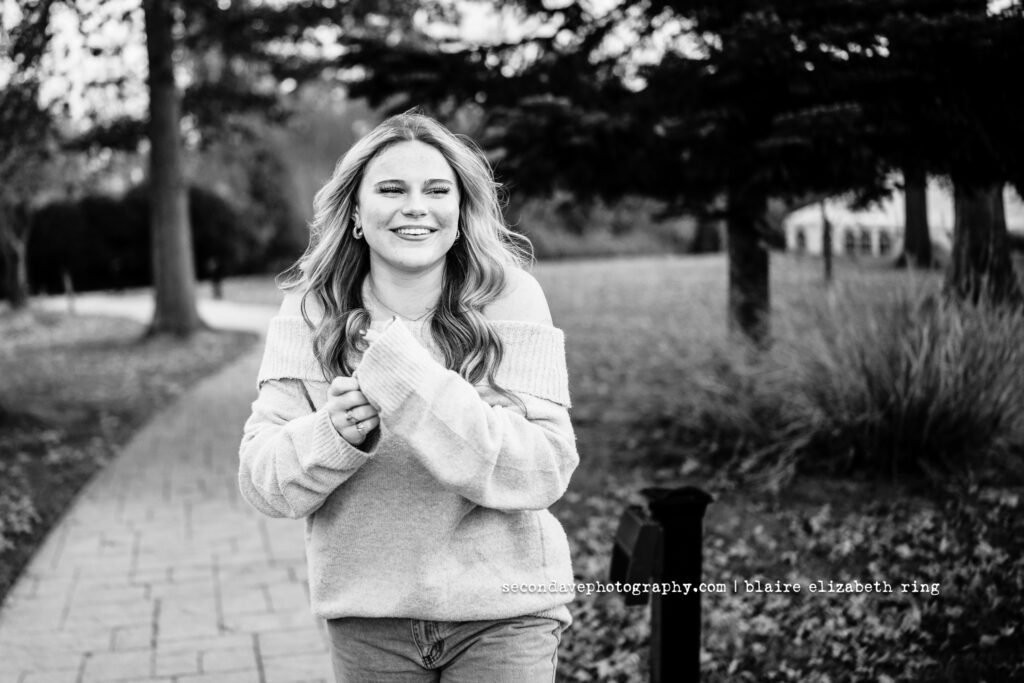
The real difference in variety, comfort, and storytelling
Another key difference in the mini session vs full session conversation is what you want the photos to represent.
Mini sessions typically produce a small set of polished images. Full sessions produce a broader story. More interactions. More transitions. More nuance.
If you want:
- A handful of great photos for a card or frame, a mini session may be enough
- A gallery that reflects your family’s dynamics, a full session is usually the better choice
Neither is inherently better. They simply serve different goals.
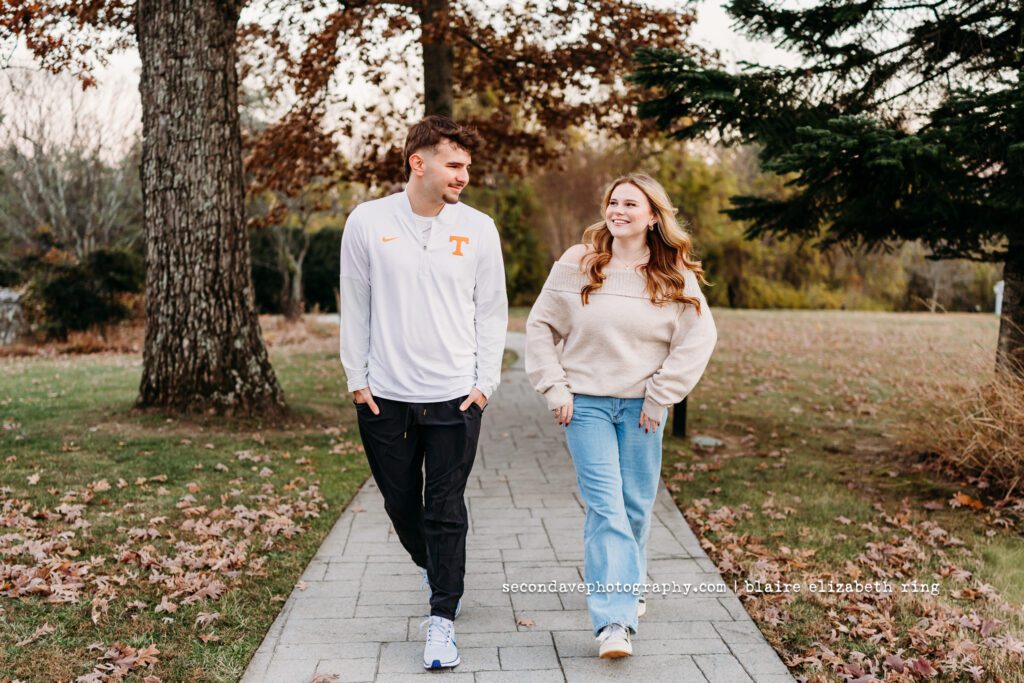
How to choose without second-guessing
The best way to decide between a mini session vs full session is to ask yourself a few honest questions:
- How does my child usually respond to new situations?
- How much flexibility do we need?
- What do I want these photos to capture?
- How would I feel if things didn’t go perfectly?
If the idea of rushing makes you tense, a full session may be worth it. If predictability feels comforting, a mini session might be the right fit.
The right choice is the one that aligns with your family, not the one that sounds best on paper.
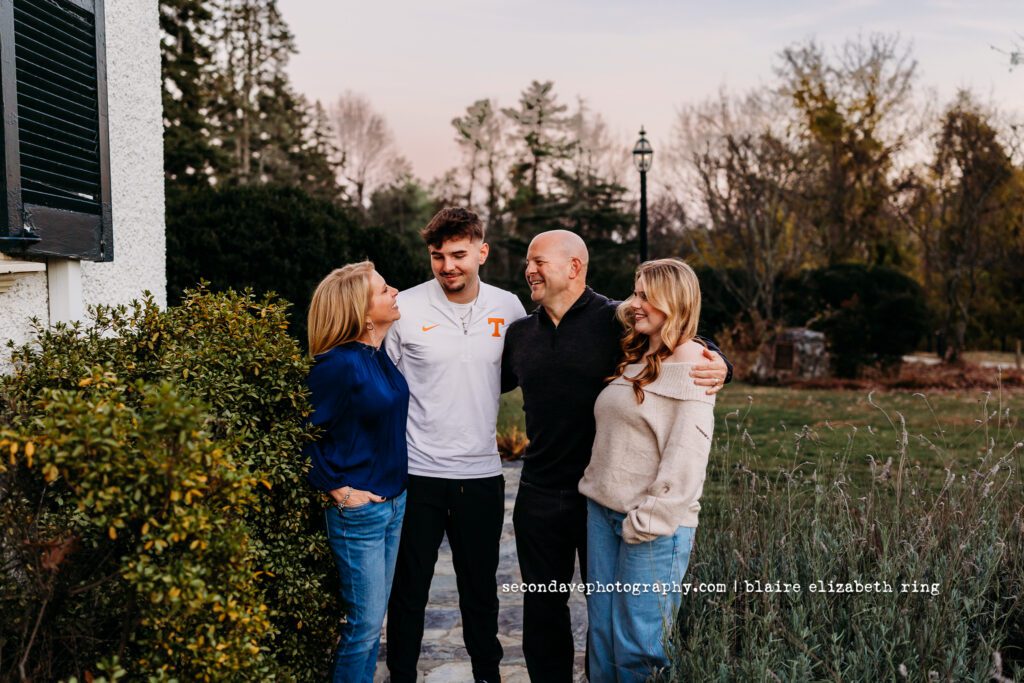
Why the best choice depends on your family, not trends
Photography trends come and go. Your family doesn’t.
The reason the mini session vs full session question matters is because it affects how the experience feels, not just how the photos look. When families choose the format that fits them, sessions tend to be calmer, more enjoyable, and more successful.
And when the experience feels good, it shows in the images.
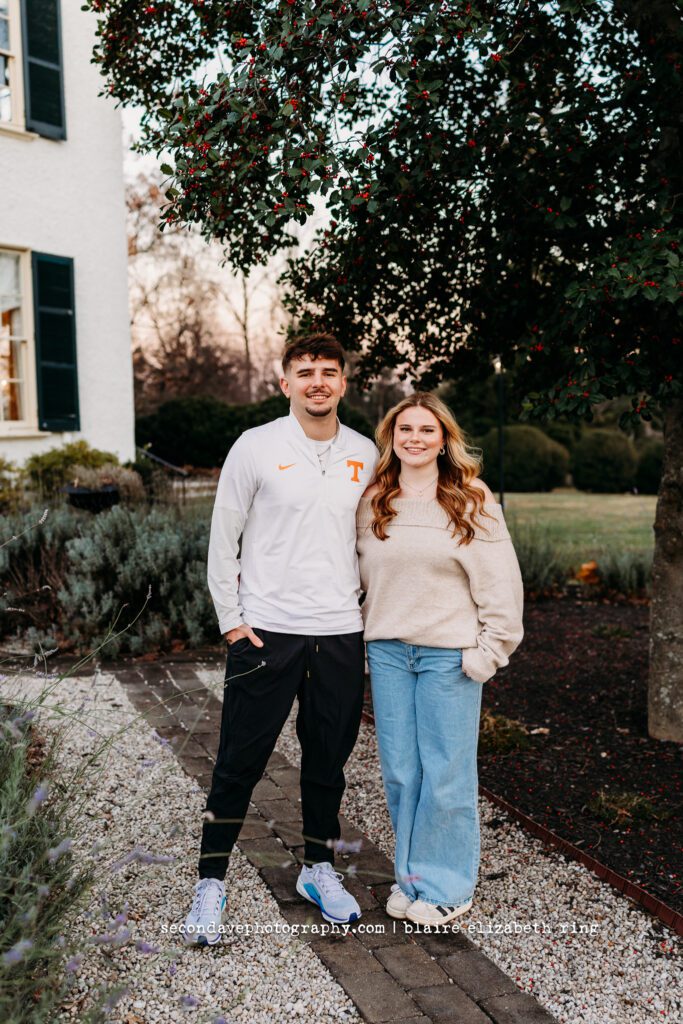
Mini Session vs Full Session: Which Is Right for Your Family?
There’s no universally correct answer in the mini session vs full session debate. There’s only what works for your family right now.
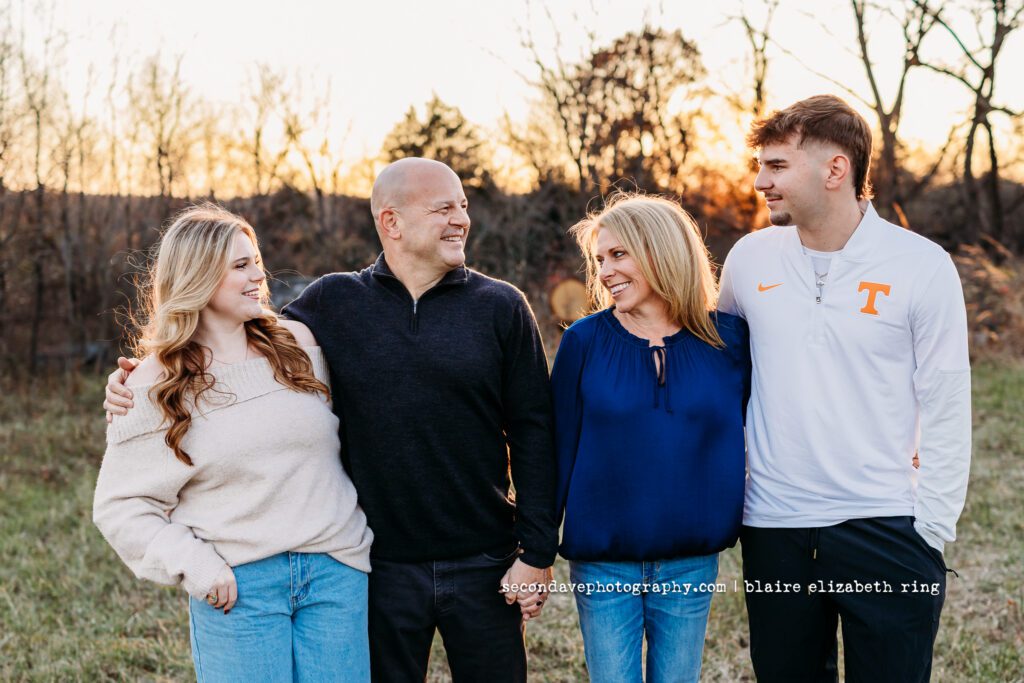
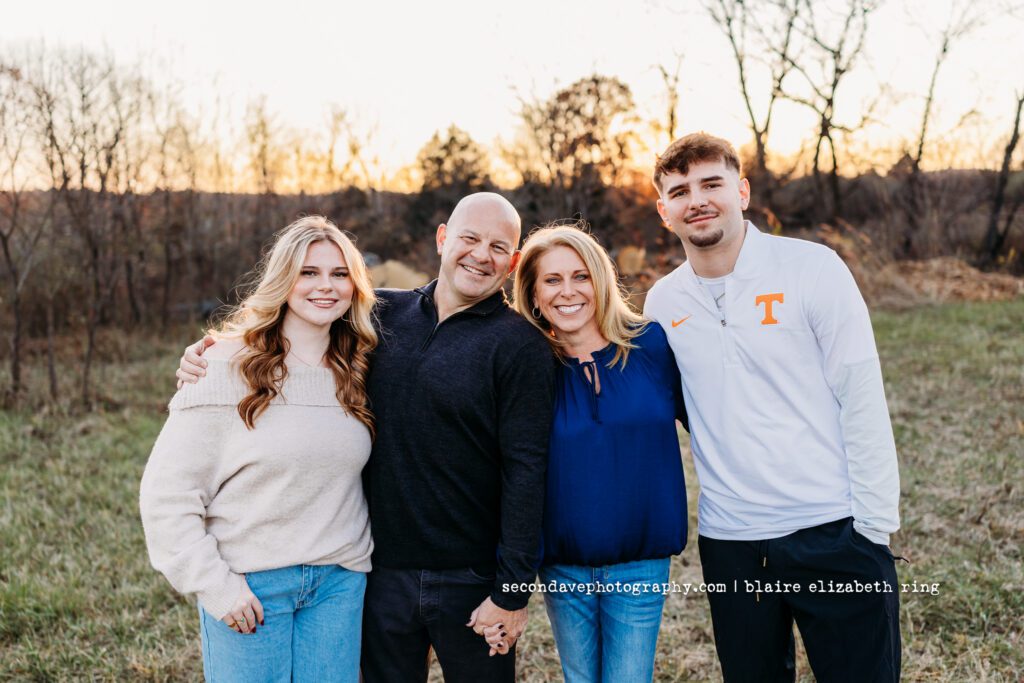
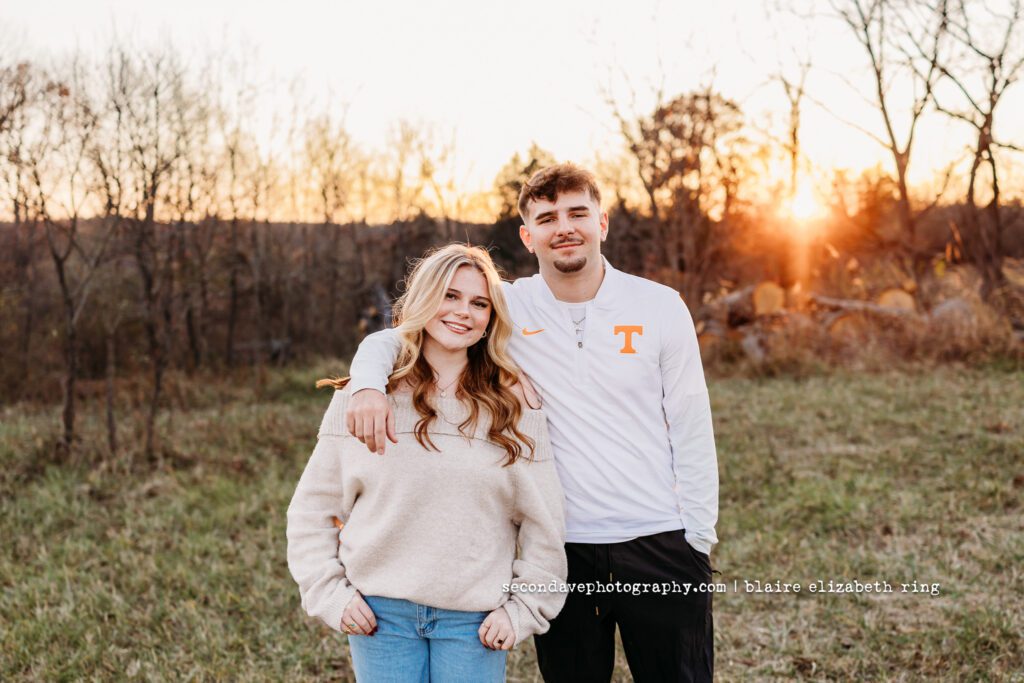
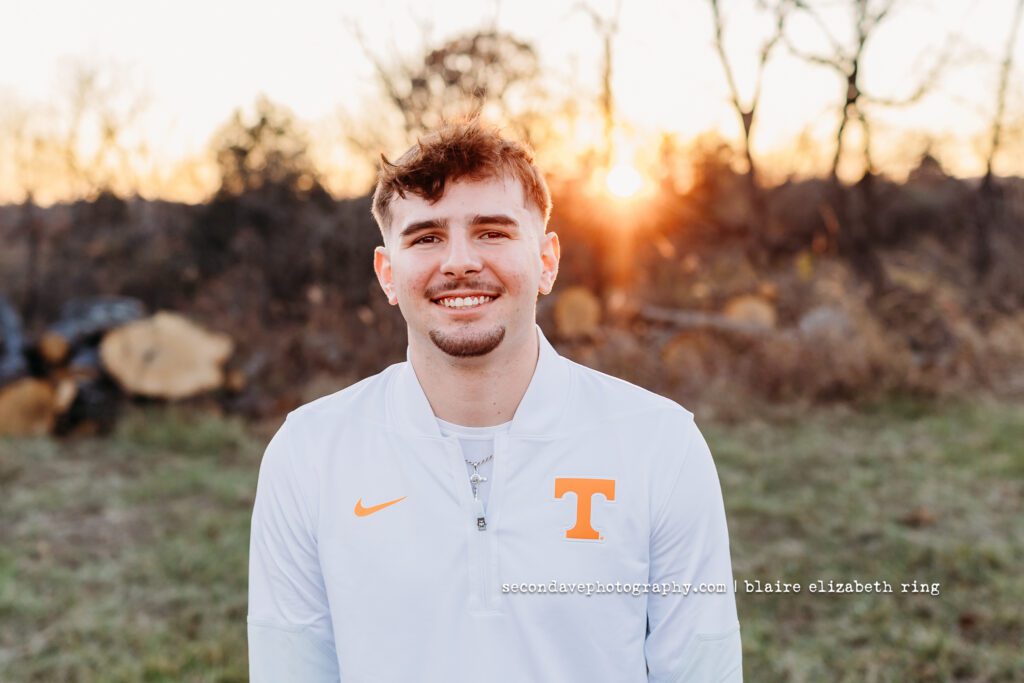
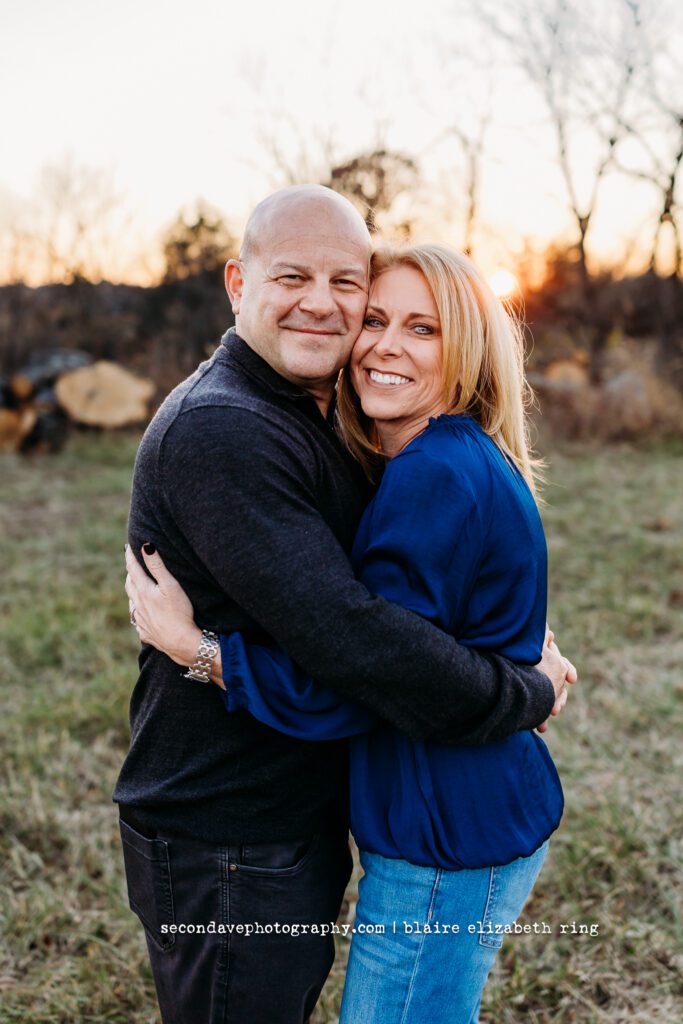
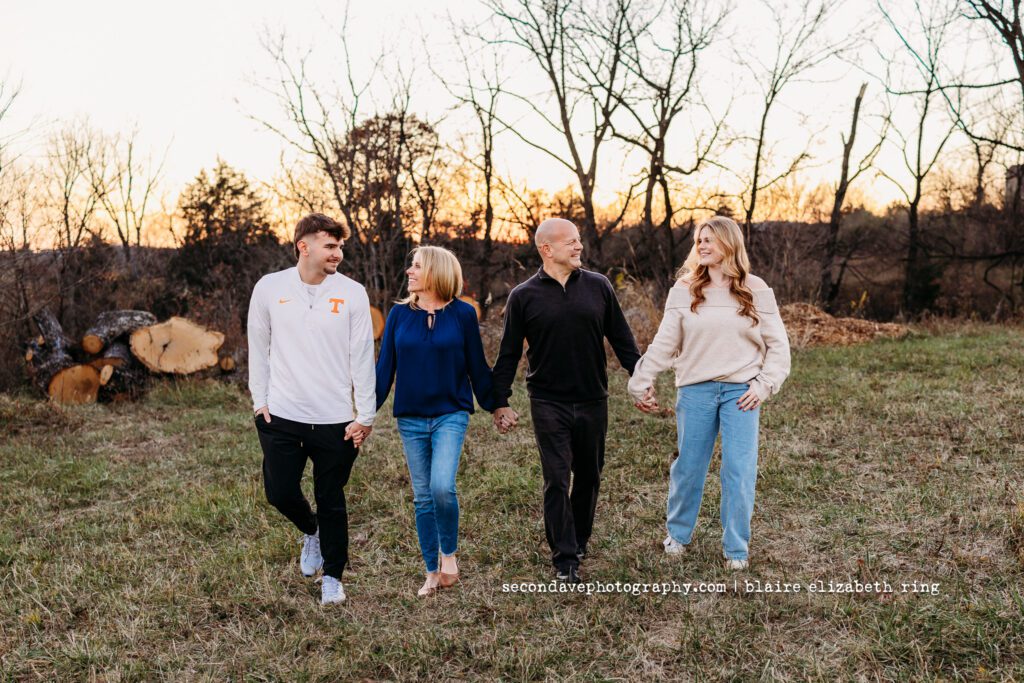
Some families move between the two over time, like the one pictured in this post. Mini sessions one year. Full sessions the next. Needs change. Kids grow. Priorities shift.
Choosing thoughtfully, with realistic expectations, is what leads to photos you’re happy with long after the session ends.
If you ever feel unsure, the best next step is a conversation. A good photographer will help you decide honestly, even if that means recommending the simpler option.
That’s usually a sign you’re in good hands.

Blaire Ring (Second Ave Photography) is an award-winning photographer in Northern Virginia, bringing her signature emotive yet laid-back & natural vibe to newborn, family, maternity and school photography. Her work has been featured in magazines and online blogs around the world. In 2023 Blaire was named one of Loudoun’s 40 Under 40, and she is a dedicated volunteer for Now I Lay Me Down To Sleep.